
film.
DADA: A Defiant Witness
On a fateful day, an investigative journalist risks everything to expose the criminal powerbrokers behind the Yugoslav wars, even as the walls close in.
inspired by a true story
THRILLER DRAMA (107’) language: SERBIAN + ENGLISH
a film by ELIZABETA BETINSKI
featuring HANA SELIMOVIĆ
executive producer LOWELL BERGMAN
producers DRAGAN BETINSKI, VLADIMIR DEKIĆ
screenplay ELIZABETA BETINSKI, VUK BOŠKOVIĆ, HANA SELIMOVIĆ
director of photography DAVID MCFARLAND
consultant ALEKSANDRA VUJASINOVIĆ
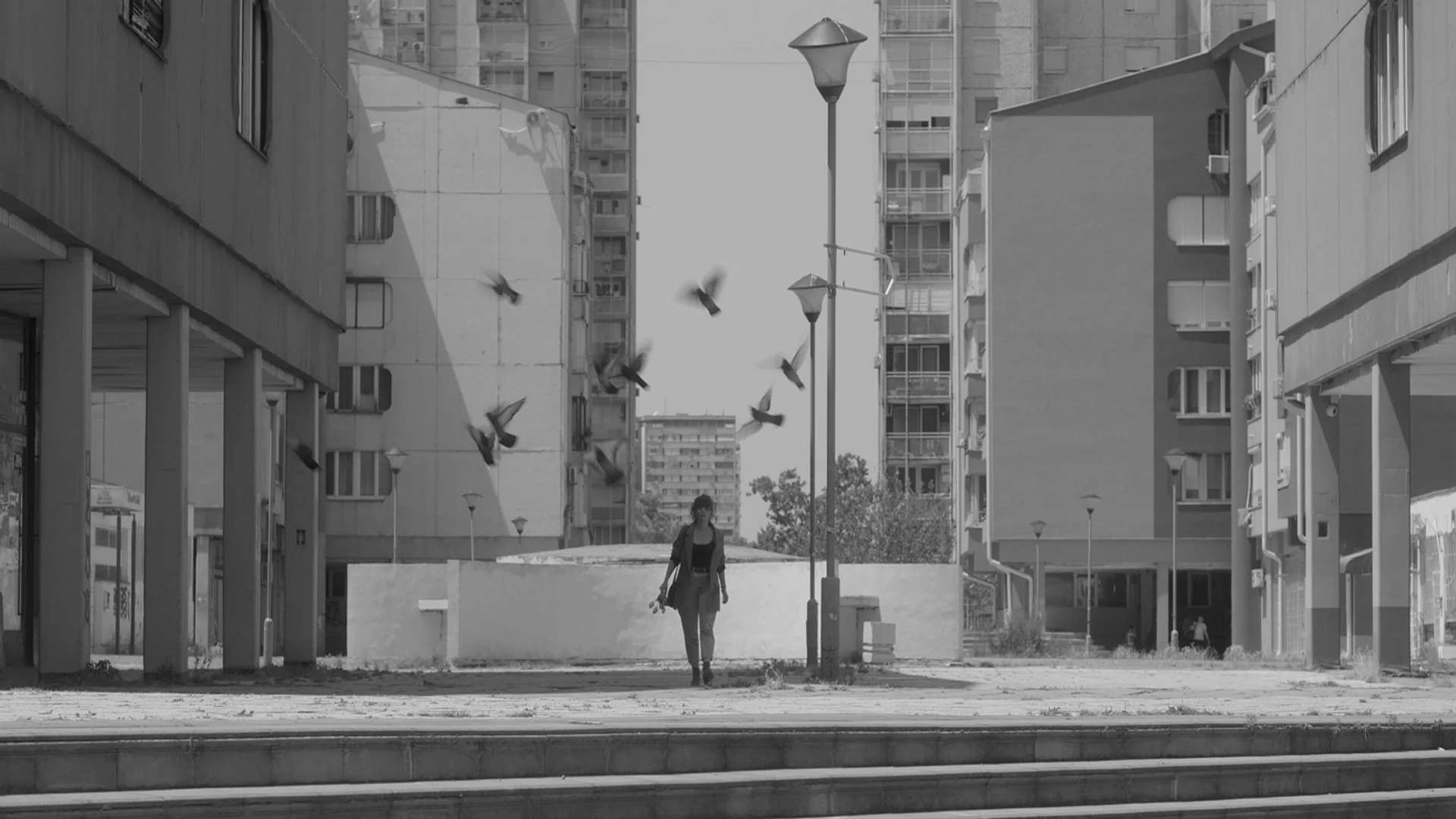
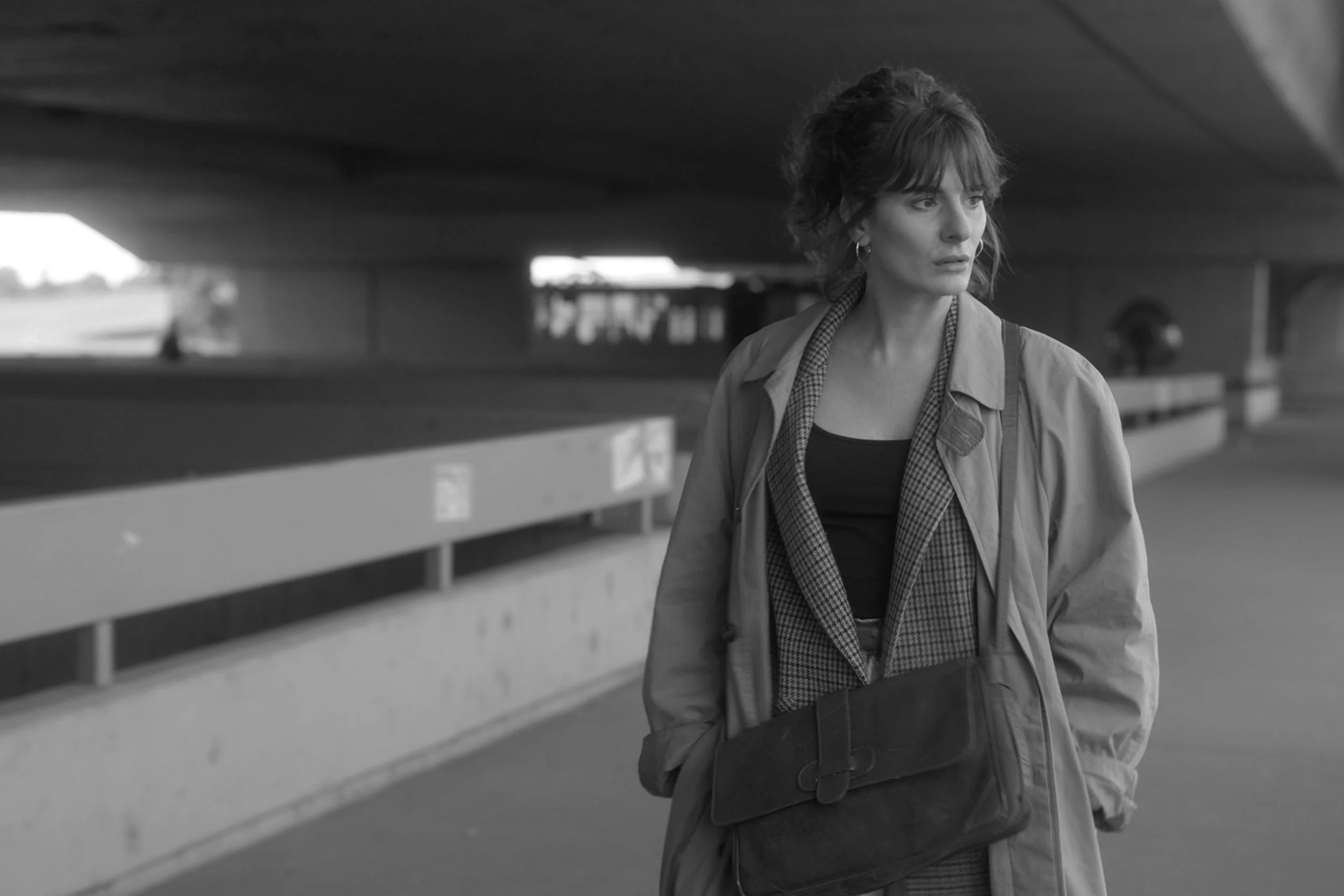
In a time marked by relentless attacks on independent journalism, DADA: A Defiant Witness is a narrative feature film inspired by the true story of Dada Vujasinović, a journalist who stood up to power when it was most dangerous to do so. Anchored in Dada’s final day, April 7, 1994, the film tells a gripping story shaped by historical record and Dada’s own words, drawn from her reporting and intimate letters. Over the course of the day, Dada moves through Belgrade, a city transformed by the violent breakup of Yugoslavia: danger lurks in every hallway, every phone call, every glance on the street. She has uncovered brutal truths about the civil war and revealed corruption entwining government, organized crime, and paramilitary forces. Her reporting challenges the narratives of the powerful, provoking the wrath of those operating in the shadows. As Dada’s final hours unfold, the film weaves a portrait of a woman of extraordinary courage and moral clarity, a journalist who understood exactly what her reporting would cost her, and chose to keep writing.
Independent journalism remains one of the strongest defenses of a free society. The responsibility to defend it now rests with us.
WITHOUT INDEPENDENT JOURNALISM, THERE IS NO DEMOCRACY.
WITHOUT A FREE PRESS, THERE IS NO FREEDOM.
Mood Reel
Concept Reel
SPOMEN
spȍmēn (m. inan.; Cyrillic: спо̏ме̄н)
remembrance, memory; act of recalling
a documentary film about what we leave behind
and what refuses to leave us
FEATURE-LENGTH DOCUMENTARY FILM language, main: ENGLISH VO
a film by ELIZABETA BETINSKI [Fulbright Award 2026-27]
producers DRAGAN BETINSKI, LOWELL BERGMAN
cinematography DAVID MCFARLAND, ELIZABETA BETINSKI
original score OZREN K. GLASER
• FILM DECK
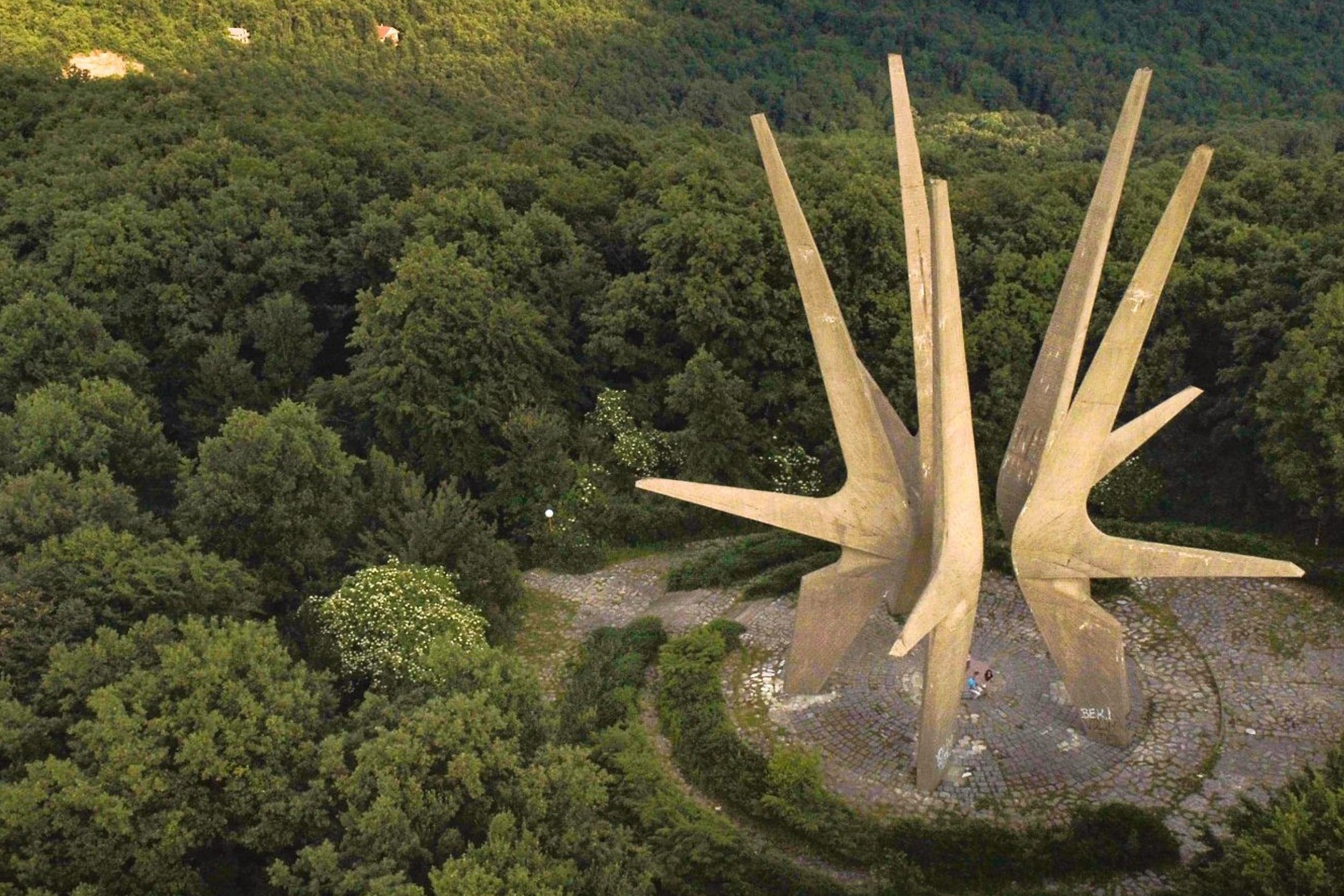
There is a photograph taken sometime in the early 1980s. A class of Yugoslav schoolchildren stands in front of a monument so large and so strange it looks like it arrived from another planet. The children are looking at the camera, not at the monument. One of them is me. I left Yugoslavia in 1993, alone, as a brutal civil war tore my country apart, obliterating it from the maps. The monuments I had visited as a child on school excursions — enormous, abstract, unlike anything else on earth — receded into the distance along with everything else I had left behind. Then, some thirty years later, the internet found them. To the world encountering Spomeniks for the first time, they were mysterious, futuristic, otherworldly. They circulated as images, beautiful and enigmatic, almost entirely detached from the history of the ground they stand on. To me their viral resurgence meant something else entirely: a language I already knew suddenly being mispronounced by everyone. SPOMEN is a documentary of return to a place that no longer exists, a film about what we leave behind and what refuses to leave us.

WHY NOW?
Can monuments hold the story of a nation even when the nation itself has vanished? Do they still mean something without anyone left to tend to that meaning? Should they remain in the face of contested histories, or is their beauty enough to keep them standing? Who gets to decide? These questions have never been more urgent. We live in a time of mass displacement, of wars that erase cities overnight, of communities scattered across the world. At the same time, the monuments we’ve built to hold our histories are themselves being questioned, removed or reinterpreted, their meaning disputed and their future uncertain. Spomeniks stand at the center of that tension. Built to commemorate the anti-fascist struggle of WWII, they now exist without the country that made them, suspended between memory and abandonment, history and aesthetics. But Spomeniks are not only remnants of a lost nation: they are concrete embodiments of an anti-fascist history that, with fascism and authoritarianism on the rise again across the world, is no longer contained in the past.
Concept Reel

SCREENPLAY IN DEVELOPMENT
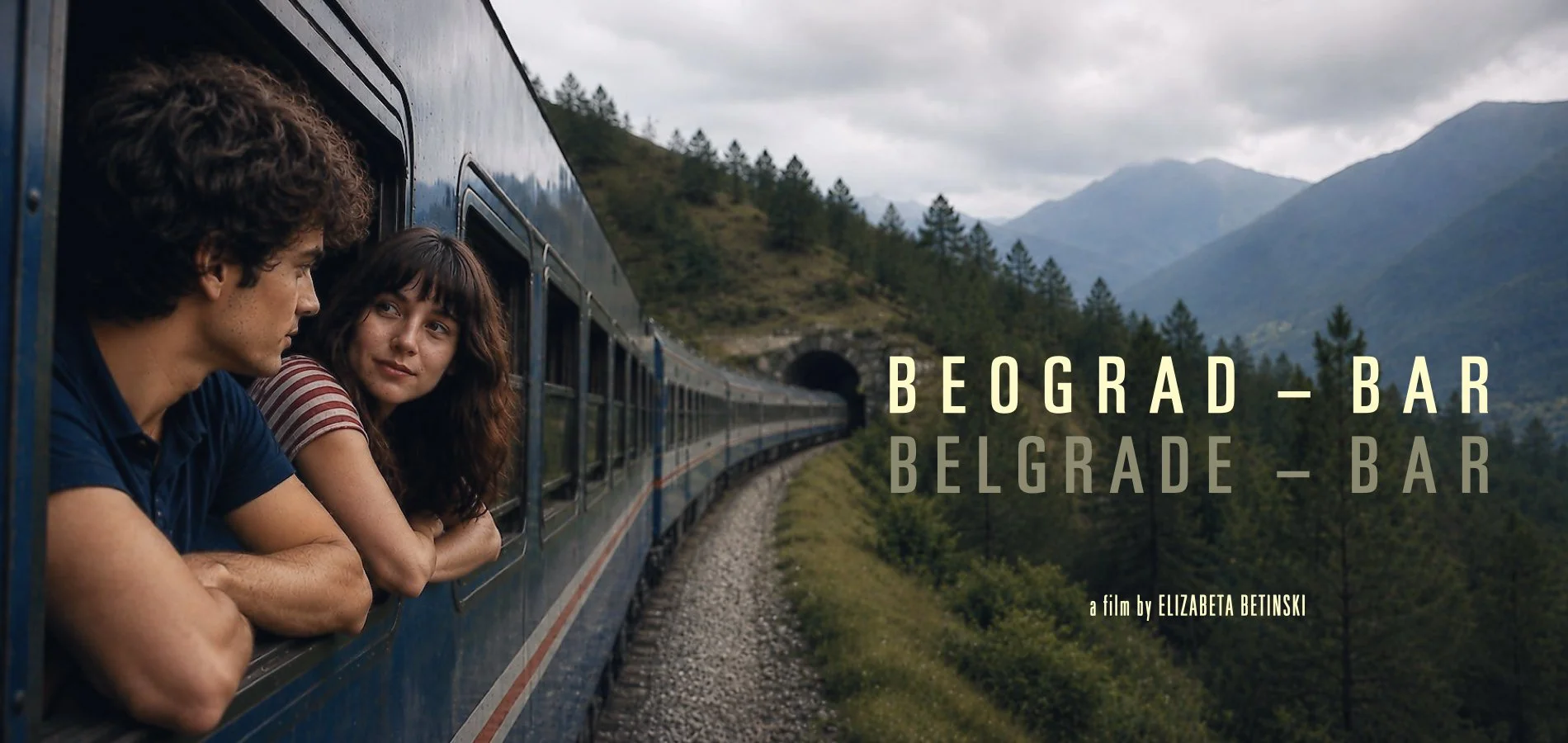
In the summer of 1989, two strangers board a train.
For one journey from city to sea, in a country at the precipice,
they discover an intimacy that can exist only between departure and arrival.
SUMMER 1989.
Yugoslavia is still a country of open borders, a shared coastline, and long train journeys from the capital to the Adriatic Sea. From Belgrade’s railway station, university students board the overnight train to Bar, carrying backpacks, guitars, and the anticipation of summer adventures.
Among them are ANA and MARKO, two strangers making the most of their last summer as students and the inexpensive rail pass that carries them easily from the city to the coast. Ana is traveling to meet up with her long-time boyfriend. Marko is leaving Belgrade with his friends, his girlfriend staying behind to finish her university exams.
As the slow train winds its way to the coast, carrying a changing cast of passengers, Ana and Marko find themselves drawn into an unexpected closeness.
For twelve hours, the train becomes a world unto itself. Ana and Marko's intimacy deepens, while events along the journey begin to reveal the first tears in the fabric of the country they call home. But nobody yet knows, nobody can imagine, that this will be the last ordinary Yugoslav summer.
When the train reaches the port of Bar, Ana and Marko step off and back into the lives waiting for them, leaving behind a world that could exist only between the city and the sea.
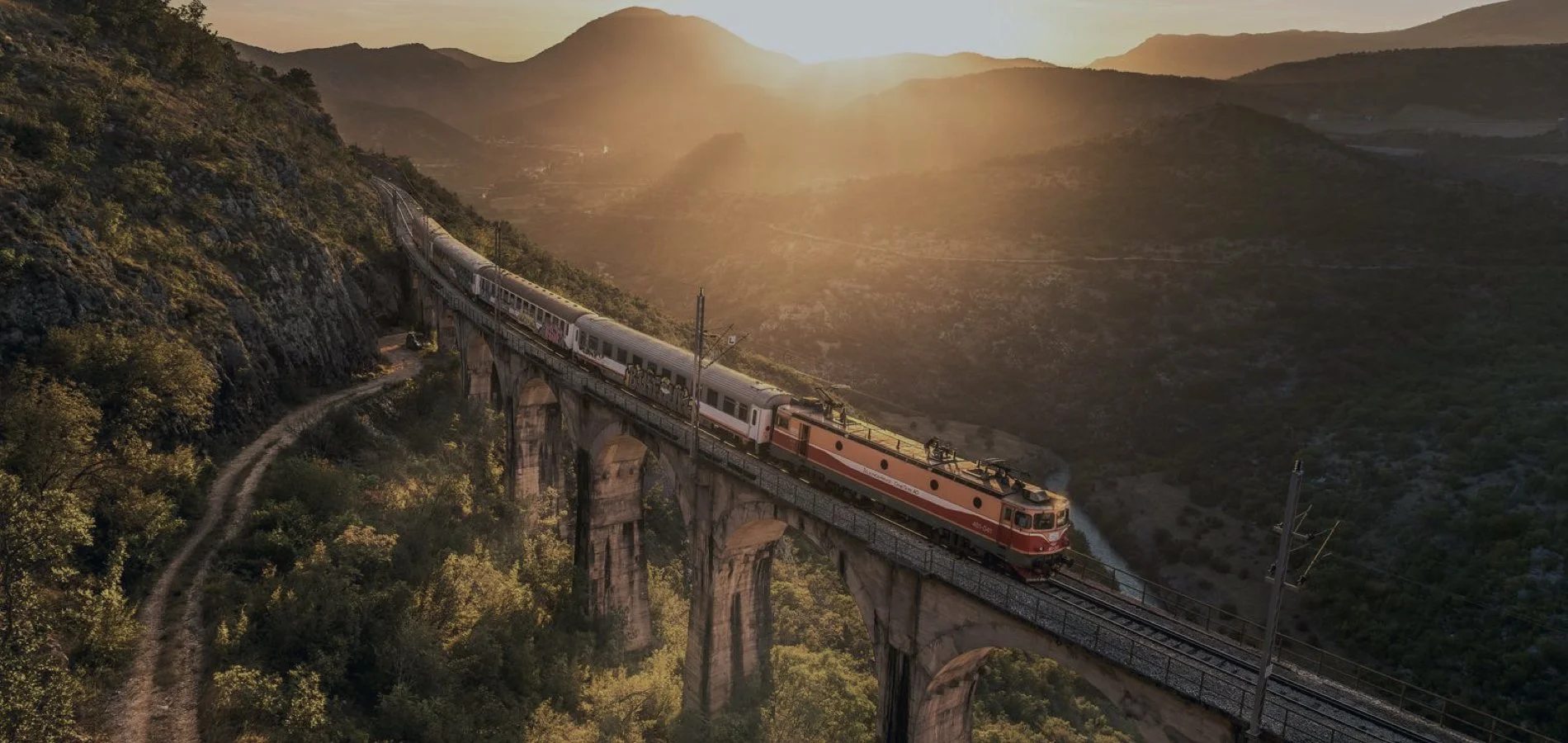
BELGRADE - BAR RAILWAY
Completed in 1976, the Belgrade–Bar railway was one of socialist Yugoslavia's most ambitious infrastructure projects, physically connecting the country's capital to its Adriatic coast. Stretching 476km (297mi) from Belgrade, Serbia, to the port city of Bar, Montenegro, the 12-hour journey traverses rugged mountains, deep river canyons, and dramatic gorges, passing through 254 tunnels, and crossing 435 bridges, including the record-setting Mala Rijeka Viaduct.
Widely regarded as one of Europe's most spectacular rail journeys, the line stands as both an engineering marvel and a lasting symbol of a country that no longer exists.